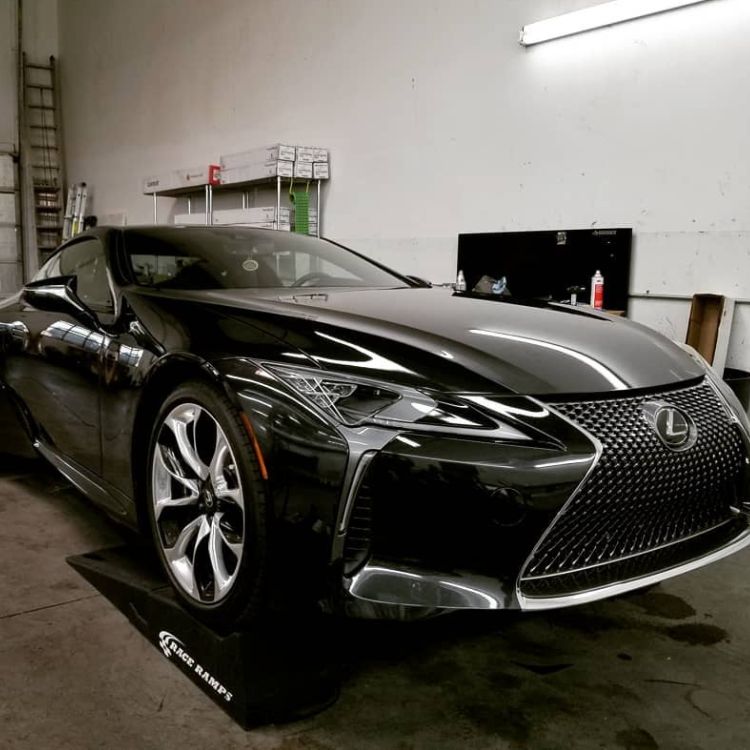
PPF Stops Physical Damage, Ceramic Coating Keeps Your Car Clean
When customers walk into my shop asking about paint protection, I start with one question. Are you worried about rock chips or road grime?
Their answer tells me everything.
Most people think they need ceramic coating because the price catches their attention. It's affordable. It sounds high-tech. But when I dig deeper, what they want is protection from the inevitable stuff: rock chips, parking lot scratches, and the daily assault their paint takes on the road.
That's where they need PPF, not ceramic coating.
PPF Takes the Hit So Your Paint Doesn't Have To
I've seen customers scrape their car along the side of their garage. The kind of damage that makes you sick to your stomach. Dented panel, paint scratched to hell.
With PPF? We call a paintless dent repair tech, pop out the dent, peel off the damaged film, and replace it. The paint underneath looks factory fresh.
Ceramic coating wouldn't have done anything in that scenario.
But here's the thing. You probably won't grind your car against a wall. The real value of PPF shows up in everyday driving. Rock chips from highway debris. Door dings in parking lots. Shopping cart scratches at the grocery store.
PPF stops about 99% of what hits your vehicle in daily use. The film acts as a sacrificial barrier, absorbing impact before it reaches your paint. Even when something does penetrate the film, your paint usually comes out fine.
Ceramic Coating Plays a Different Game
Ceramic coating doesn't stop physical damage. It seals your paint so contaminants don't bond to the surface.
What sticks to your car? Bird droppings, tree sap, road salt, industrial fallout. Ceramic coating creates a hydrophobic barrier that makes water bead up and roll off, carrying dirt with it. You'll see up to 90% reduction in dirt accumulation compared to untreated paint.
The real benefit? Your car stays cleaner longer. Hard water spots don't etch as deeply. Road grime washes off easier. The paint maintains its gloss because UV rays get blocked, reducing degradation by up to 30%.
It's not dramatic protection. It's preventive maintenance against gradual deterioration.
The Hybrid Approach I Recommend
If budget allows, I always suggest PPF on the front clip. Hood, fenders, bumper, mirrors. That's where impact happens.
Then ceramic coat the entire vehicle, over the PPF too.
Why both? PPF handles physical threats. Ceramic coating handles chemical and environmental threats. They stack. The ceramic coating makes the PPF more hydrophobic and easier to maintain.
For customers on a budget, ceramic coating gives you some protection at an accessible price point. But if you can only afford one and you drive on highways regularly, PPF on the front clip delivers more tangible protection.
The Maintenance Reality Nobody Talks About
Here's what I correct most often. Touchless car washes damage PPF.
People think touchless is safer. It's not. Those systems use super high-pressure water with elevated pH levels. That pressure gets under the edges of the film, causing bubbles and peeling. The recycled water compounds the problem.
Hand washing remains the best approach, with or without PPF. The film is a sticker (a sophisticated one), but still vulnerable to aggressive chemicals and pressure.
Even with PPF's physical protection, your care routine determines how long it lasts and how good it looks.
The Bottom Line
PPF protects against physical damage. Ceramic coating keeps your car shiny longer.
They serve different purposes. Understanding which threats you face most helps you choose the right protection. Or better yet, combine them strategically for comprehensive coverage.
The question isn't which one is better. The question is what you're trying to protect against.
